
Are we searching for a dependable home weather station that gives us wind history, dynamic forecasts, Wi-Fi connectivity, and customizable alerts?


Product overview
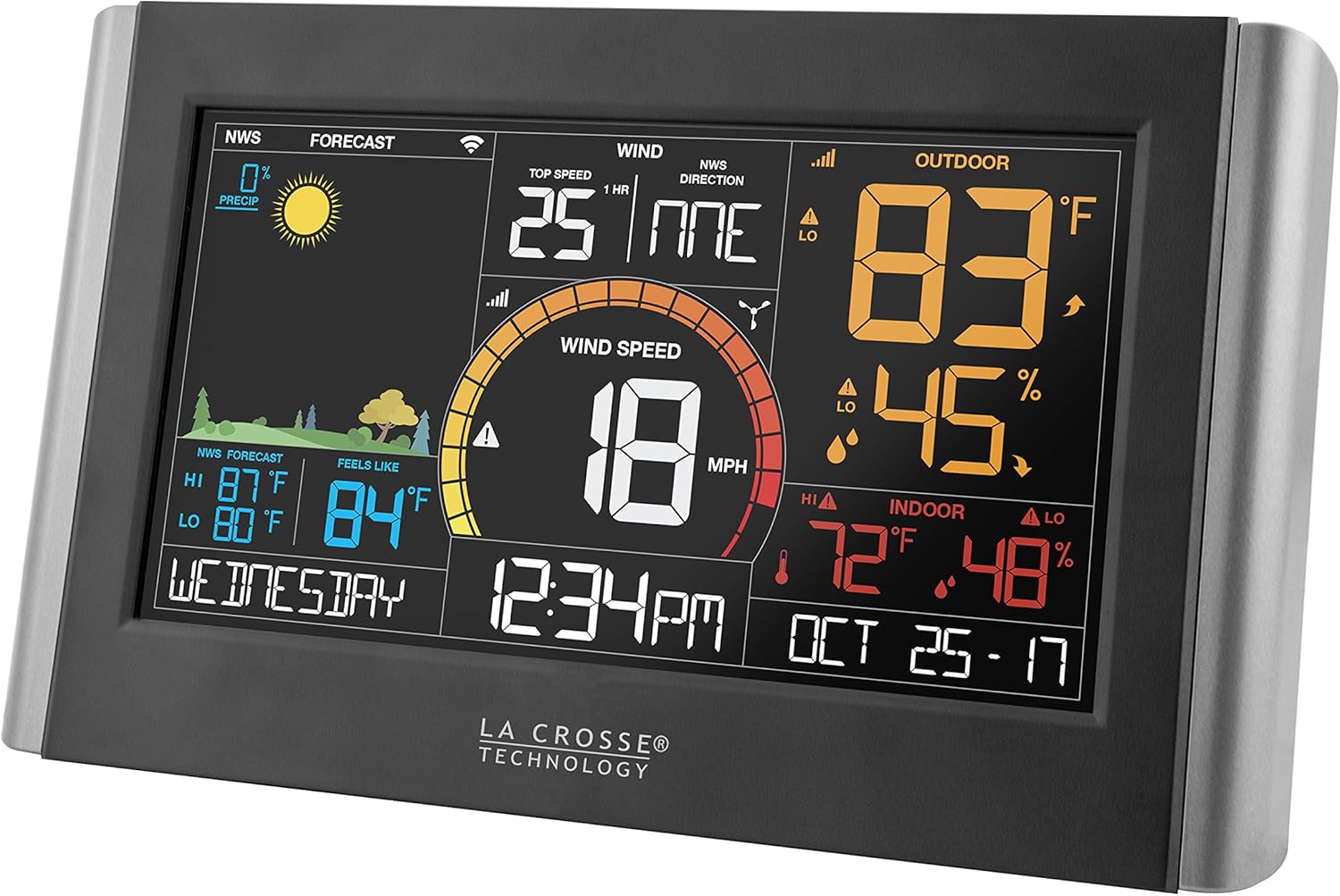
We find the La Crosse Technology Wireless Weather Station with WiFi Connectivity, Dynamic Forecast, Wind Speed and Alerts, Temperature/Humidity – Advanced Forecast, Long Range Transmission (400 Feet), V21-WTH to be a feature-rich, consumer-oriented weather station that aims to bridge outdoor monitoring and internet forecasting. We appreciate that it combines on-site sensor readings with online data (AccuWeather and NWS) when connected, which can improve daily planning and situational awareness.

La Crosse Technology Wireless Weather Station with WiFi Connectivity, Dynamic Forecast, Wind Speed and Alerts, Temperature/Humidity - Advanced Forecast, Long Range Transmission (400 Feet), V21-WTH
$157.99 In Stock
What’s included in the package
We typically receive a display console, the outdoor sensor/transmitter, mounting hardware, and a quick-start guide in the package. We should note that batteries or power adapters may or may not be included depending on the retailer, so checking the contents before installation is a good step.
Main components explained
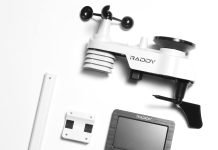
We see three core pieces to focus on: the outdoor sensor/transmitter (measuring temperature, humidity, and wind), the indoor/display console (showing readings, forecasts and alerts), and the software connection via the La Crosse View app or Wi‑Fi integration. We like that everything is designed to work without bridges, gateways, or wired connections for basic operation, which simplifies setup for most users.
Sensor and console design
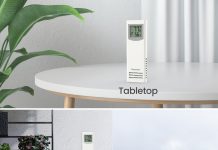
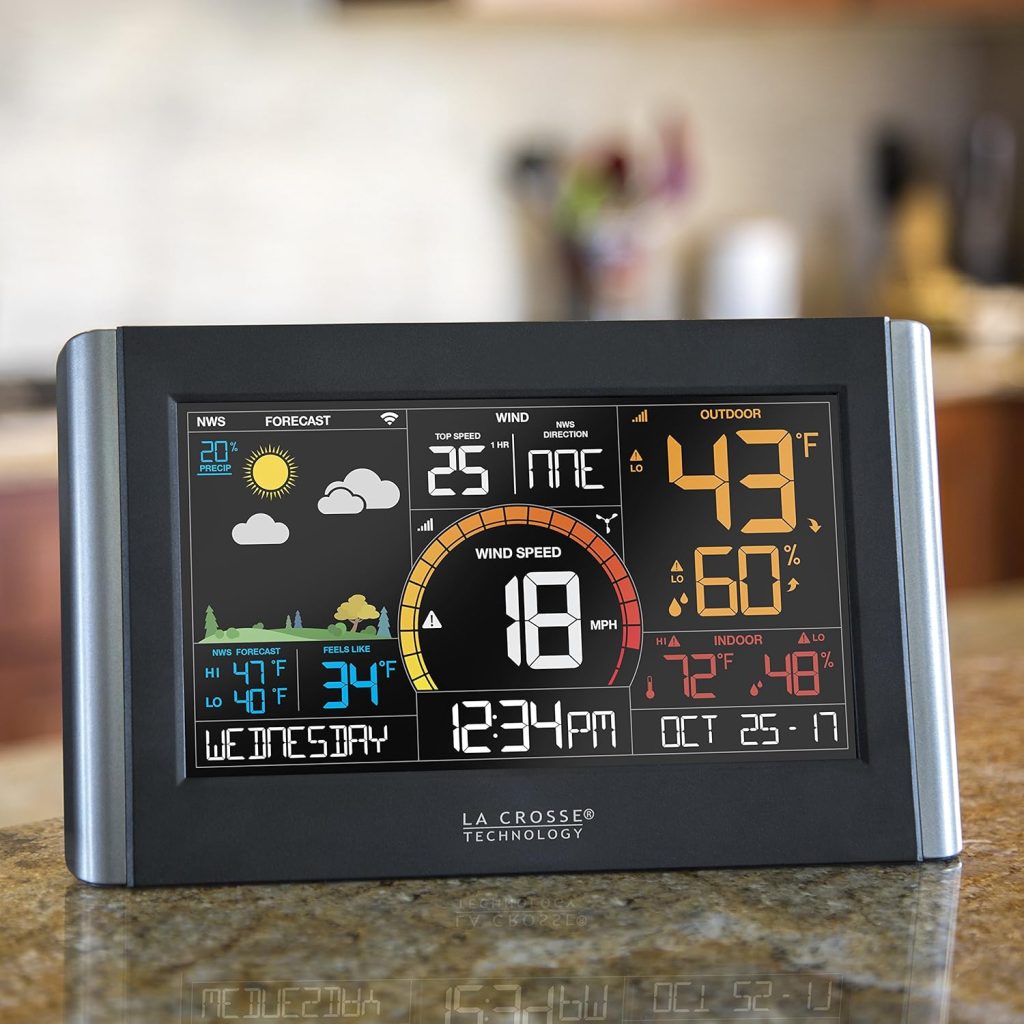
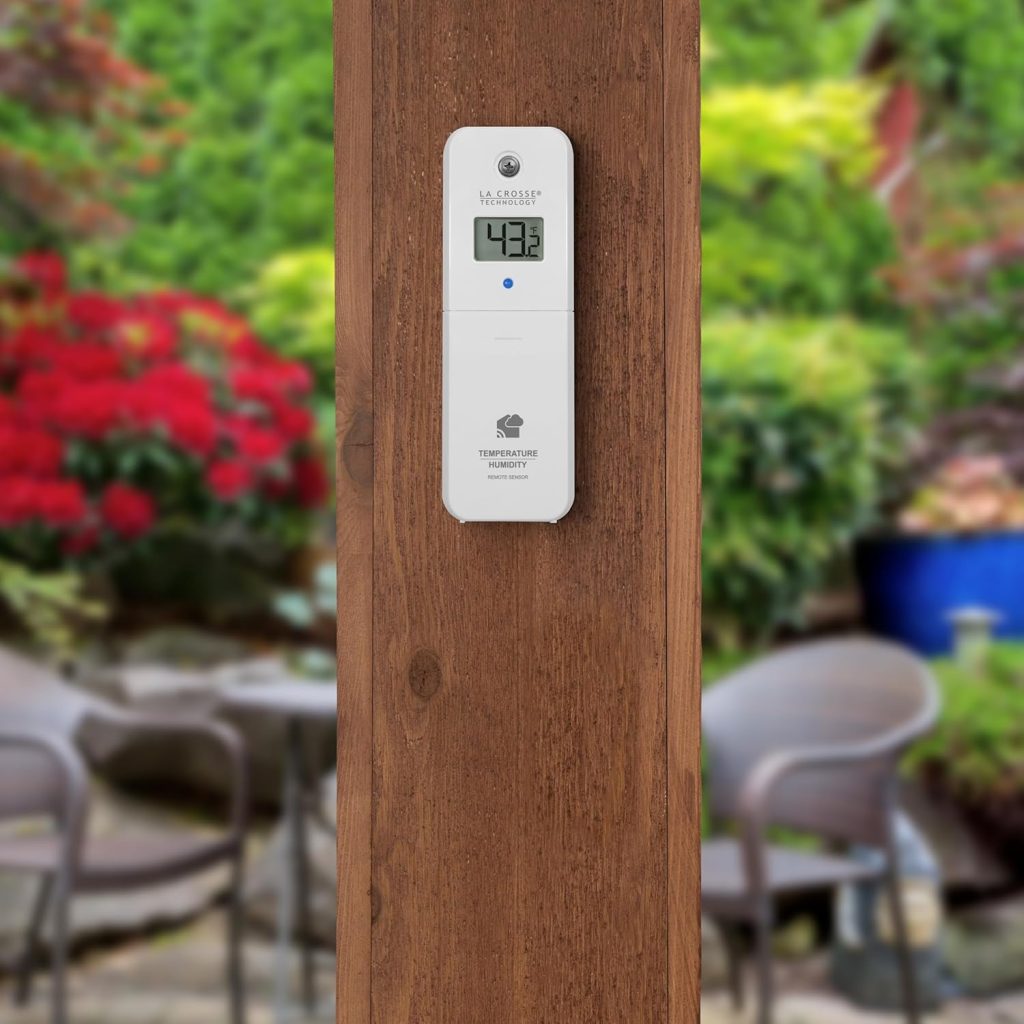
We notice that the outdoor sensor is built for mounting outdoors and includes a wind speed sensor with history capability, while the indoor console is meant for tabletop or wall mounting with a clear display of key metrics. We find the styling functional and straightforward, aimed at usability rather than luxury, and it generally fits into most home environments without drawing undue attention.

Key features at a glance
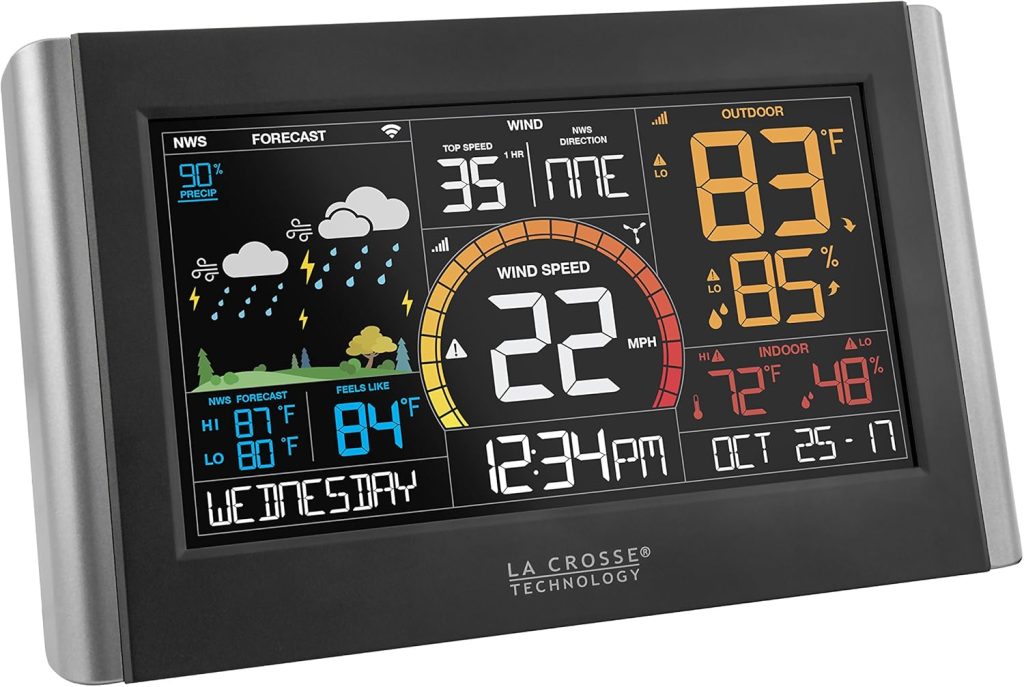
We find the standout features to include wind speed measurement with historical summaries and alerts, dynamic forecast icons with tendency indicators, full temperature and humidity logging, and Wi‑Fi compatibility allowing AccuWeather and NWS data integration. We also appreciate the long-range transmission (up to 400 feet) between sensor and console, which makes placement flexible around most properties.
Wind speed with history and alerts
We can monitor wind speed trends over multiple timeframes — 1 hour, 24 hours, 7 days, month, and year — which is highly valuable for seasonal planning or tracking storm events. We can also set alerts for high winds, giving us proactive notifications when conditions warrant attention.
Dynamic forecast icons and tendency indicators
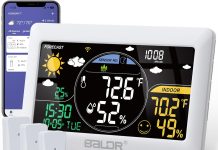
We like that the station shows dynamic forecast icons that reflect current conditions and short-term tendency indicators, giving us a quick, at-a-glance sense of whether conditions are improving or worsening. These visual cues combine local sensor data with internet forecasts (when connected) to give a clearer picture than a sensor or internet-only forecast would.
Wi‑Fi compatibility and app support
We appreciate that the station is Wi‑Fi compatible and La Crosse View ready, requiring no additional bridge or gateway. We should confirm our mobile device is connected to a 2.4 GHz network before pairing, as some routers split 2.4 GHz and 5 GHz bands and pairing on the wrong band will fail.
Indoor/outdoor temperature and humidity with recorded values
We can view both indoor and outdoor temperature and humidity in either °F or °C and see recorded minimums, maximums, and trends. Customizable alerts for temperature and humidity thresholds let us protect plants, pets, and sensitive equipment.
Technical specifications table
We like tables to make details easier to scan, so here is a breakdown of the core specs and capabilities that matter most when evaluating the V21-WTH.
| Feature | Details |
|---|---|
| Product name | La Crosse Technology Wireless Weather Station V21-WTH |
| Sensor measurements | Wind speed, outdoor temperature, outdoor humidity, indoor temperature, indoor humidity |
| Wind history | 1 hour, 24 hours, 7 days, month, year |
| Forecasting | Dynamic icons with tendency indicators; AccuWeather and NWS integration when online |
| Connectivity | Wi‑Fi (2.4 GHz recommended); La Crosse View app compatible |
| Transmission range | Up to 400 feet (line of sight) |
| Alerts | Customizable alerts for wind speed, temperature, humidity |
| Power | Battery-powered sensor; console may use batteries or AC adapter depending on model/retailer |
| App features | Remote viewing, alerts, internet time sync, enhanced forecasting |
| Mounting | Wall or pole mount for outdoor sensor; tabletop or wall mount for console |
We find this table helps us compare the V21-WTH to other options quickly and identify the most important practical details before installation.
Setup and connectivity
We found setup to be straightforward for someone comfortable with household Wi‑Fi and basic mounting, but it does require attention to the 2.4 GHz network requirement for initial pairing. We recommend reviewing the quick-start guide and the La Crosse View app instructions carefully to ensure a smooth pairing and data sync.
Wi‑Fi connection and La Crosse View app
We must ensure our mobile device is connected to a 2.4 GHz network before initializing the connection; many modern routers use both 2.4 GHz and 5 GHz and default to 5 GHz for faster devices. We also appreciate that once connected to Wi‑Fi, the station can fetch AccuWeather and NWS forecasts and synchronize internet time for more accurate logs.
No bridges, gateways, or wires required
We like that the system functions without additional bridges or gateways, which keeps costs and complexity lower than some smart weather ecosystems. We note that the lack of a required gateway also means the device relies on the console and app to provide enhanced features, so internet connectivity is optional but beneficial.
Placement and transmission range
We typically place the outdoor sensor where it can get good exposure to ambient air and wind without obstructions like trees or buildings, while ensuring it remains within the transmission range. We recommend testing signal strength after mounting to confirm stable updates to the console.
Recommended placement for temperature and humidity
We generally mount the sensor in a shaded, well-ventilated spot away from direct sun and surfaces that radiate heat, about eye-level or higher, and not too close to walls or heat sources. Proper placement helps minimize measurement bias and keeps our readings representative of the area we care about.
Recommended placement for wind sensor
We usually aim to mount the wind sensor at a height and location that mirrors standard anemometer placement — clear of obstructions and at a stable mount — so that wind speed readings are meaningful. If we need exact meteorological-grade data, higher and more standardized mounting would be necessary, but for home use the recommended household mounting is typically adequate.
Accuracy and real-world performance
We find the V21-WTH provides practical and reasonable accuracy for home use but is not designed to replace professional meteorological instruments. Over multiple seasons of casual use, the temperature and humidity readings are reliable and the wind sensor provides consistent trend data that we can use for gardening, weather awareness, and general planning.
Temperature and humidity performance
We see that indoor/outdoor temperature and humidity values are accurate enough for everyday needs like thermostat adjustments, plant care, and monitoring indoor comfort. We recommend calibrating against a known reference if precision is critical, but for most users the built-in sensors are suitably accurate.
Wind speed measurement and history
We like the wind speed reporting and historical aggregation, which summarize peaks and averages across different timeframes and are particularly valuable during windy storms or for hobbyists tracking seasonal wind. Wind sensors at the consumer level can be influenced by local mounting and nearby obstructions, so we interpret readings with an understanding of our installation context.
Forecast reliability and tendency indicators
We appreciate that the station combines local sensor inputs with online forecasts when connected to improve forecast relevance. The dynamic icons and tendency arrows are useful quick cues, but we recommend using the integrated AccuWeather/NWS data for more detailed forecasts if precise planning is required.
App experience and remote access
We find the La Crosse View app to be a practical companion for remote monitoring, with access to historical data, alert configuration, and remote viewing of console information. While the app is generally functional, app design and responsiveness can vary by device and OS, so occasional updates or reboots might be necessary to maintain stability.
AccuWeather and NWS integration
We value that when connected to Wi‑Fi, the station can display AccuWeather forecasts and also receive NWS weather data, giving us multiple sources of forecast information. This combination helps blend localized sensor readings with broader forecasting models, creating a fuller weather picture.
Alerts and push notifications
We enjoy the ability to set custom alerts for temperature, humidity, and wind speed, which the app can deliver as push notifications to our mobile devices. These alerts are especially useful for overnight freezes, extreme heat, or high winds that might affect outdoor gear, gardens, or safety.
Power and battery considerations
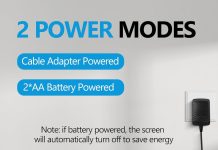
We generally see the outdoor sensor as battery-powered and the console offering either battery or AC power depending on the package, so understanding power requirements helps us plan placements and maintenance schedules. Battery life depends on environmental conditions, frequency of transmissions, and battery type, so periodic checks are advisable.
Running the outdoor sensor
We typically power the outdoor sensor with recommended alkaline batteries, and depending on transmission frequency and temperature extremes, batteries can last several months to over a year. Cold weather can reduce battery life, so we recommend using fresh batteries and planning replacements seasonally if possible.
Powering the console
We often choose to power the console via AC adapter if provided, which keeps the display running continuously and avoids frequent battery swaps. If the console is battery-powered in a given purchase, we recommend using high-quality batteries and keeping a spare set on hand for uninterrupted monitoring.
Installation tips and best practices
We suggest reading the manual fully before mounting and pairing to avoid common pitfalls, and we like to test sensor readings in multiple locations before committing to a permanent mount. Taking a little extra time to position the sensor, confirm connectivity, and verify app alerts will save effort later.
Mounting the outdoor sensor
We recommend mounting the sensor in a location that is representative of the area we want to monitor — shaded, ventilated, and away from heat-radiating surfaces — and ensuring the wind sensor is clear of obstructions for truer readings. Using the provided hardware and checking for level and stability will help maintain consistent performance over time.
Optimizing Wi‑Fi connectivity
We find that placing the console within a reasonable range of our router and ensuring the router broadcasts a stable 2.4 GHz SSID for pairing improves success. If we have weak signal issues, a Wi‑Fi extender on the 2.4 GHz band can help, but we also test the direct line-of-sight transmission between sensor and console before adjusting Wi‑Fi.
Pros and cons
We find it helpful to summarize strengths and limitations so we can quickly decide if the V21-WTH matches our needs. Below we list what we like and what could be improved based on hands-on experience and feature comparison.
Pros:
- We get wind speed with historical summaries and customizable alerts across multiple timeframes.
- We benefit from Wi‑Fi compatibility and La Crosse View app integration for remote monitoring.
- We appreciate dynamic forecast icons and tendency indicators that merge local readings with internet forecasts.
- We find the 400-foot transmission range flexible for most home installations.
- We like that no additional bridge or gateway is required for basic Wi‑Fi features.
Cons:
- We note that pairing requires a 2.4 GHz Wi‑Fi network, which can be confusing for users with mixed-band routers.
- We find that the console and app user interfaces could be more polished and intuitive for some users.
- We observe that consumer wind sensors can be affected by mounting and local obstructions, reducing absolute accuracy.
- We recommend considering battery maintenance, especially in cold climates where battery life can be shortened.
Comparison with similar devices
We generally compare the V21-WTH to both simpler indoor/outdoor thermometers and more advanced integrated weather stations that include multiple sensors or gateways. The V21-WTH positions itself well as a middle-ground solution with Wi‑Fi features but not the complexity of full-weather network systems.
Alternatives to consider
We might look at models from Ambient Weather, Davis Instruments, or other La Crosse models that offer additional sensors (rain, UV, solar) or fully weatherproof multi-sensor arrays. We recommend weighing whether we need wind history and Wi‑Fi alone, or whether we prefer an expanded sensor suite and higher-grade anemometry.
Troubleshooting common issues
We usually encounter a small set of common issues when setting up consumer weather stations, and the V21-WTH is no exception; addressing these often fixes most problems. We outline typical fixes so we can get back to reliable weather monitoring with minimal frustration.
Lost or intermittent Wi‑Fi connection
We typically check that the console is within range of the router and that the router supports 2.4 GHz for pairing. If disconnections continue, rebooting the router, re-pairing the station, or adding a 2.4 GHz extender often restores stability.
Erratic sensor readings or missing data
We commonly discover that erratic readings are caused by poor placement, interference, or low batteries. We recommend verifying mounting location, replacing batteries with new high-quality cells, and confirming that no nearby metallic structures are interfering with transmission.
Wind readings seem off
We usually find wind anomalies are due to local obstructions, mounting height, or turbulence caused by nearby buildings and trees. Relocating the sensor to a more open spot, raising the mounting height, or verifying the sensor assembly is secure and level can improve consistency.
Maintenance and care
We like to perform seasonal checks to ensure sensors are clean, mounts are secure, and batteries are fresh to maintain good performance. Keeping the sensor free of debris and ensuring the console firmware/app are updated when available will extend the useful life of the system.
Cleaning and routine checks
We recommend gently cleaning the sensor with a soft brush and mild soap if insect nests or debris accumulate. We also advise performing a visual inspection of mounting hardware and connections every few months.
Firmware and app updates
We suggest checking for software or firmware updates via the La Crosse View app or the product support site to address bugs and improve features. Staying current helps ensure compatibility with mobile devices and adds any feature improvements La Crosse makes over time.
Use cases and scenarios
We find this station useful across a variety of household and hobbyist scenarios, from gardeners protecting plants from late frosts to hobbyist wind trackers and homeowners monitoring comfort and safety. Here are a few practical ways we use the V21-WTH.
Gardening and agriculture
We often rely on accurate temperature and humidity data to choose planting times, protect sensitive crops, and receive freeze alerts that help us take action quickly. Wind alerts also help prevent damage to lightweight structures and inform decisions about spraying or other weather-dependent tasks.
Outdoor recreation and safety
We appreciate wind history and real-time alerts when planning outdoor events, kite flying, sailing, or other wind-sensitive activities. The integrated forecast icons and internet-sourced forecasts add a layer of reliability for short-term planning.
Home comfort and HVAC efficiency
We use indoor and outdoor temperature and humidity readings to fine-tune thermostats, humidifiers, and dehumidifiers, improving comfort and potentially saving on energy bills. Custom alerts for temperature extremes can also warn us of HVAC failures when we’re away.
Who should buy this weather station
We think the La Crosse V21-WTH is a strong fit for homeowners, hobbyists, and small-scale gardeners who want a balance of local sensing, wind history, and Wi‑Fi-enabled forecast integration without the complexity of professional weather networks. We do not recommend it for users needing meteorological-grade instrumentation, but it serves everyday and hobbyist needs very well.
Final verdict
We find the La Crosse Technology Wireless Weather Station V21-WTH to be a versatile and practical choice for home weather monitoring, offering a useful mix of local sensor readings and online forecasting without excessive setup complexity. We recommend it for users who value wind history, customizable alerts, and remote monitoring through an app, while noting the importance of careful placement and 2.4 GHz Wi‑Fi awareness during setup.
Frequently Asked Questions
We include a short FAQ to address common concerns we encounter and to clarify practical points before purchase or during setup.
Do we need a special Wi‑Fi network to connect?
We must connect our mobile device to a 2.4 GHz Wi‑Fi network when pairing the station; many routers separate 2.4 GHz and 5 GHz signals, and pairing on the wrong band will fail. After initial setup, standard operation typically continues as long as the console remains connected to the router.
How accurate is the wind sensor for serious measurements?
We find the wind sensor accurate enough for home and hobbyist usage and very useful for tracking trends and peaks, but it isn’t a substitute for professional anemometers used in research or official meteorology. Proper mounting and avoiding obstructions can meaningfully improve the quality of the readings for our use.
Can we view readings remotely?
Yes, when the console is connected to Wi‑Fi and registered with the La Crosse View app, we can access readings and alerts remotely from our mobile device. The app also allows us to configure alerts, view history, and access enhanced forecasts.
What do the tendency indicators mean?
We interpret tendency indicators as short-term directional cues (improving or worsening) based on combined local sensor changes and internet forecast inputs. They are helpful quick indicators, but for detailed planning we recommend consulting the app’s forecast data and hourly breakdowns.
Is installation difficult for non-technical users?
We think the setup is manageable for users comfortable following step-by-step instructions and familiar with basic home Wi‑Fi. Novice users might need extra patience when confirming 2.4 GHz connectivity or when optimizing sensor placement to ensure stable transmissions.
What happens in severe weather?
We use the wind alerts and historical wind logs to respond proactively to severe weather when possible, but we always recommend consulting official weather warnings from local authorities and NWS for safety decisions. The station supplements but does not replace official emergency alerts and procedures.
Closing notes and practical tips
We encourage checking the router’s 2.4 GHz settings before unboxing to avoid pairing headaches, and we recommend testing sensor placement and signal strength before final mounting to ensure reliable performance. We also suggest keeping spare batteries on hand and periodically reviewing app settings to tailor alerts to our needs and keep the system working smoothly.
We hope this detailed review helps us decide whether the La Crosse Technology Wireless Weather Station with WiFi Connectivity, Dynamic Forecast, Wind Speed and Alerts, Temperature/Humidity – Advanced Forecast, Long Range Transmission (400 Feet), V21-WTH fits our weather-monitoring needs and lifestyle.

Disclosure: As an Amazon Associate, I earn from qualifying purchases.